The Two Towns Cincinnati Needed on the Other Bank
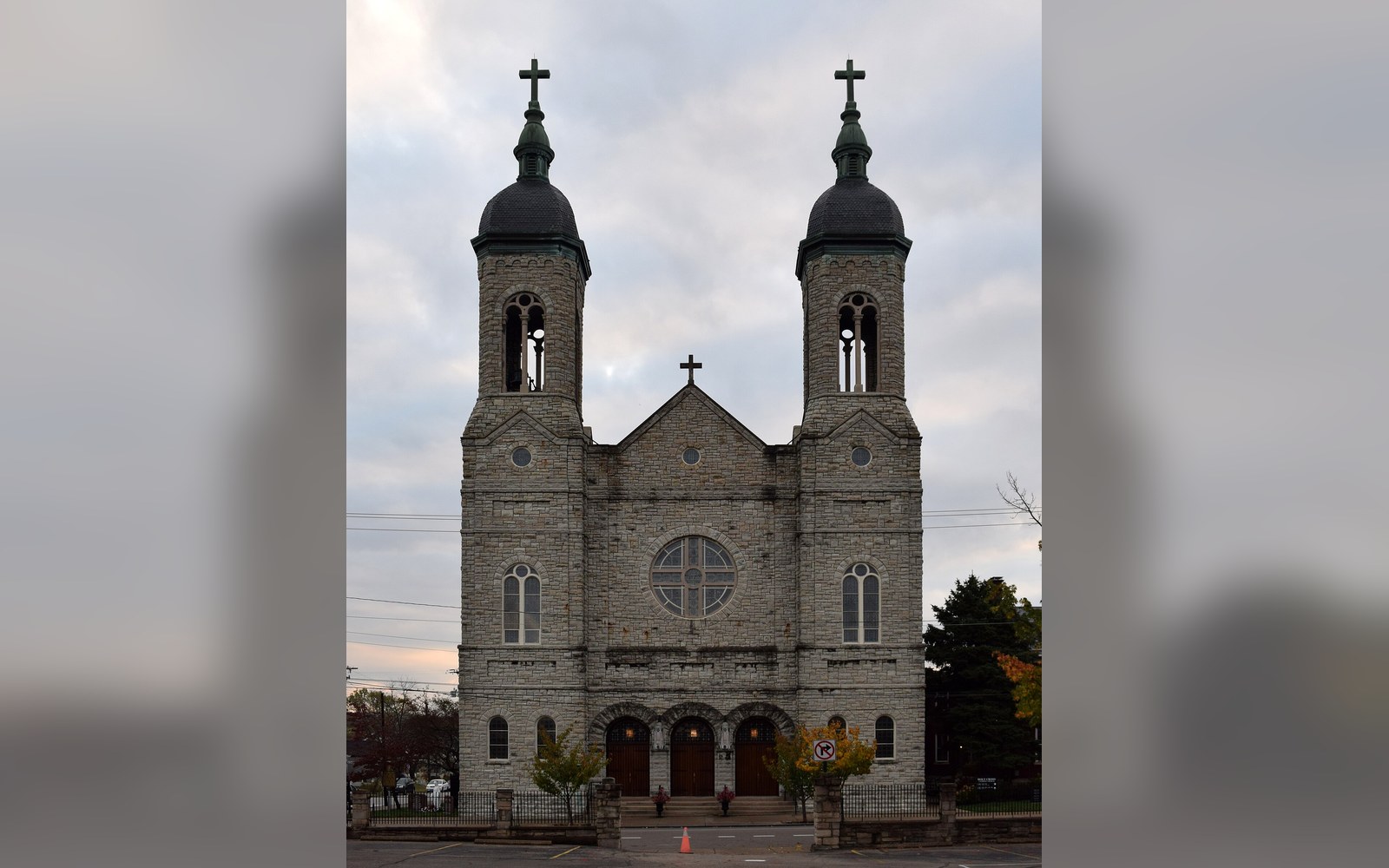
Covington (platted 1814) and Newport (1795) grew as Kentucky counterparts to Cincinnati — processing industries, lower land costs and, before the brid
Photo: Holy Cross Church (Covington, Kentucky) - facade · Wikimedia CommonsKentucky never felt like a foreign country to anyone who crossed the Ohio. Covington and Newport grew up as Cincinnati's industrial shadow — cheaper, closer and, for two centuries, economically inseparable.
Platted to Serve a Bigger Neighbor
Newport came first. Virginia surveyor and Revolutionary War general James Taylor laid out its grid in 1795 at the confluence of the Licking and Ohio rivers, on land he had received as a military grant. Covington followed in 1814, platted on the broad Kentucky floodplain directly across from Cincinnati's own basin and incorporated as a city in 1834. Both towns occupied the same geological terrace that made the Cincinnati bank so attractive — flat, river-adjacent and suited to the warehousing and manufacturing that a growing interior port required.
The economic logic was blunt: Kentucky land was cheaper than Ohio land, Kentucky taxes were lower, and the river was narrow enough that a ferry crossing added only minutes to a working day. Before any bridge existed, a network of rope and oar ferries stitched the three cities together from first light. Goods, workers and livestock moved back and forth continuously. Covington's pork-packing yards, brickyards and distilleries operated in direct functional relationship with Cincinnati's processors across the water. When Cincinnati earned its Porkopolis reputation in the 1830s, the slaughter and rendering work was distributed across both banks.
Who Settled There, and Where
The immigrant communities that built Over-the-Rhine on the Ohio side found equivalents and extensions on the Kentucky bank. German families — many arriving after the failed revolutions of 1848 — moved into Covington's Mainstrasse corridor along Sixth Street, establishing the same pattern of combined residential and commercial buildings that made Italianate brick facades so dominant in both cities. Newport drew a proportionally larger Irish population, many of them arriving during and after the Famine years of the late 1840s, concentrated in working-class river wards close to the distilleries and ironworks around the Licking River mouth.
The two settlement patterns produced distinct neighborhood textures that persisted well into the twentieth century. Covington's German quarter retained its beer gardens, mutual-aid societies and Lutheran congregations through the 1880s, while Newport's east-side wards carried the Catholic parish infrastructure — Saint Stephen, Saint Joseph — that Irish and later Italian families built and sustained. Neither city was ethnically uniform, but the modal character of each ward was legible to anyone who lived there.
After the Bridge
The completion of John A. Roebling's suspension bridge in 1866, with its main span of 1,057 feet ↗ connecting Covington directly to Cincinnati, transformed the relationship between the cities from ferry-dependent to continuous. What had required scheduling and weather tolerance now required only a walk or a horse-car fare. Covington's downtown — already the more commercially developed of the two Kentucky cities — intensified rapidly in the years after 1866. Property values on Pike Street and Madison Avenue rose; hotels, banks and dry-goods establishments followed the increased foot traffic that the bridge delivered.
Newport, lacking a direct bridge connection to Cincinnati until later crossings were built, retained more of its industrial and residential character through the Gilded Age. Its economy centered on the Licking River corridor, where rolling mills, barrel cooperages and small foundries clustered along the waterfront. The city also developed a parallel entertainment economy — saloons, betting rooms and variety theaters — that Cincinnati's more reform-minded civic culture periodically suppressed on the Ohio side, sending custom across the river.
By the 1880s all three cities shared not just commerce but infrastructure: gas lines, telegraph, and eventually streetcar networks that crossed the bridges and treated the metropolitan area as a single operating zone. The 1937 Ohio River flood demonstrated that unity in the hardest possible way, inundating Covington and Newport alongside Cincinnati and leaving waterline marks on buildings in all three downtowns that are documented to this day.
Covington followed in 1814, platted on the broad Kentucky floodplain directly across from Cincinnati's own basin and incorporated as a city in 1834.
What the two Kentucky cities were, at their formation, was a solution to a constraint: a fast-growing Ohio city needed room it could not legally annex. Covington and Newport provided that room, absorbed the overflow of labor and industry, and in doing so became cities with their own architectures, parishes, neighborhoods and — eventually — their own reasons to exist beyond Cincinnati's needs.
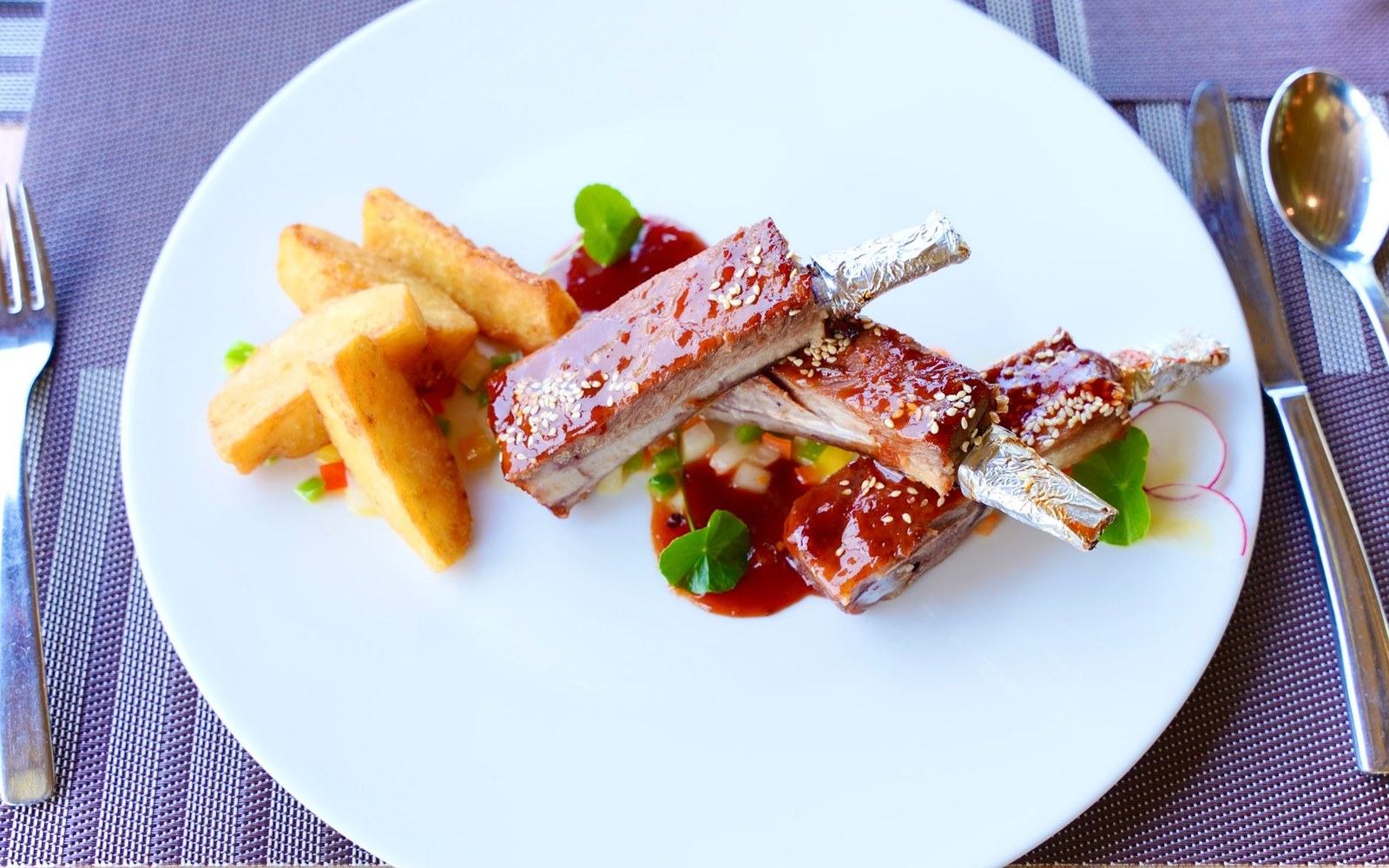
Montgomery Inn's Boathouse location on the Ohio riverfront in Cincinnati opened in 1989, extending a rib restaurant operation founded by Matilda Gracin in Montgomery, Ohio, in 1951; Montgomery Inn at the Boathouse: the Ribs and the River…
Photo: Khải Huyền Trương / PexelsFrom the record
Chronology
- 1795Newport platted by James Taylor at the Licking–Ohio confluence
- 1814Covington platted on the Kentucky floodplain opposite Cincinnati
- 1834Covington incorporated as a city
- 1848Post-revolution German immigration accelerates settlement of Covington's Mainstrasse district
- Late 1840sIrish Famine migration reinforces Newport's river-ward population
- 1866Roebling suspension bridge opens, linking Covington to Cincinnati directly
- 1937Ohio River flood inundates all three cities simultaneously
From the record
Economic relationship
- Ferry crossingspre-bridge link; rope and oar ferries carried workers, goods and livestock across daily
- Pork-packingCovington yards operated in direct supply relationship with Cincinnati processors
- Licking River corridorNewport's industrial spine; rolling mills, cooperages and foundries
- Entertainment economyNewport's saloons and variety theaters drew custom when Cincinnati reformed against them
More in Across the River