Empress, 1922: the Stew That Renamed Itself
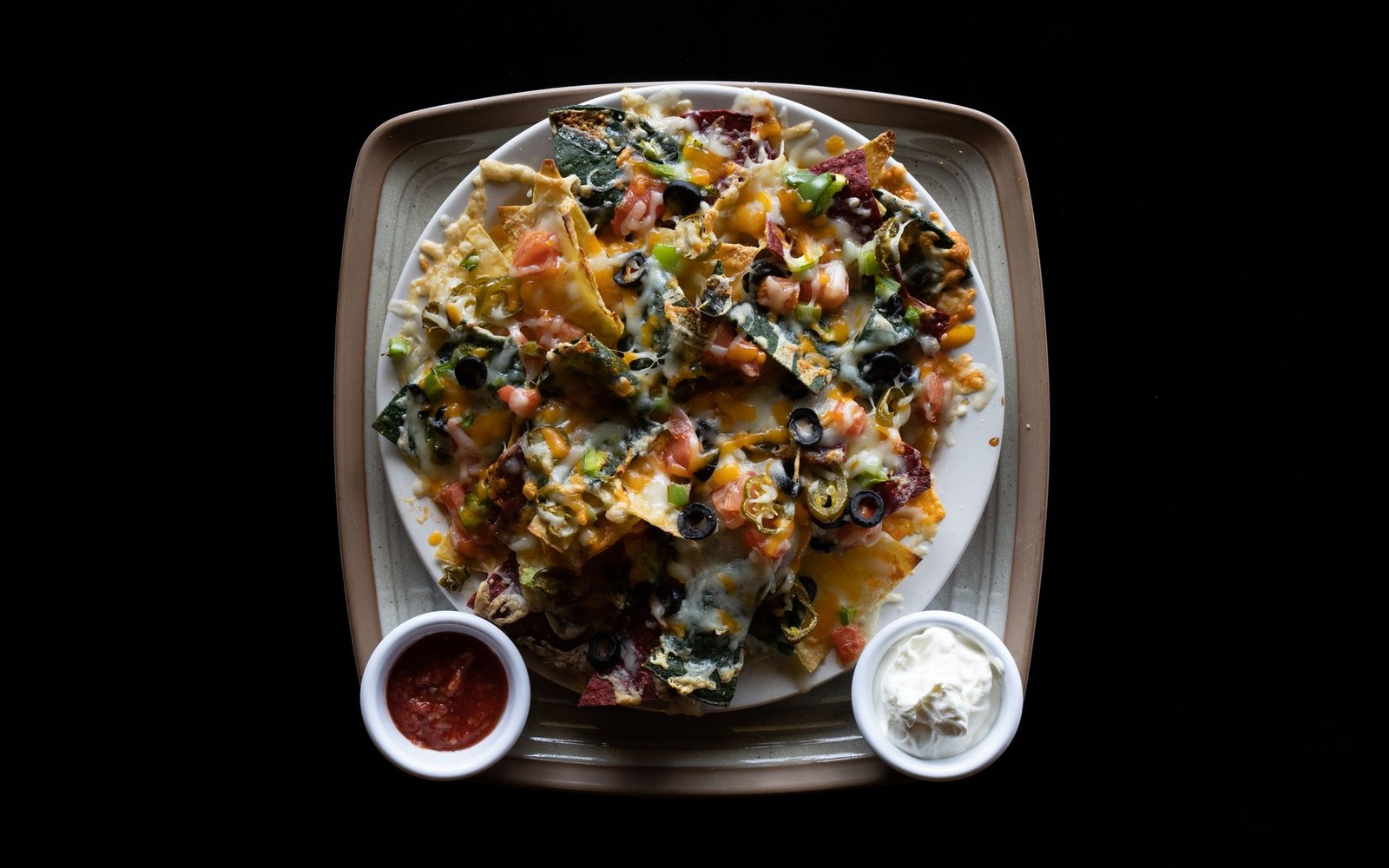
Tom and John Kiradjieff opened Empress Chili in 1922 near the Empress Burlesque theatre, serving a Macedonian-spiced meat sauce over spaghetti in several ways.
Photo: Alberta Studios / PexelsHow two brothers from Macedonia built a meat sauce that Cincinnati claimed as its own
A Parlour Near the Burlesque House
When Tom and John Kiradjieff opened their chili parlour in 1922, they positioned it deliberately beside the Empress Burlesque theatre on Vine Street — close enough that stagehands, performers and late-night crowds could find it without much effort. The name followed the address, not the food, and the food was unlike anything else being sold in Cincinnati at the time.
The Kiradjieffs had arrived from Macedonia, a region whose cooking had long folded cinnamon, allspice, cloves and warm dried spices into slow-cooked meat — a flavour profile that owes more to the Ottoman trade routes than to the chilli peppers and cumin dominating the American Southwest. What they served was not Tex-Mex chilli. It was a spiced meat sauce, closer in spirit to a Greek or Macedonian pastitsada than to any cowboy campfire stew, ladled over a bed of spaghetti and built upward from there.
Cincinnati chili's ordering vocabulary — the way system — probably has no precise rival anywhere in American food. A two-way is chili over spaghetti. A three-way adds a mound of finely shredded cheddar, piled high enough to be structural. A four-way folds in either diced onions or kidney beans. A five-way includes both. The system is a grammar: every component has its place, and the order of layering is not decorative. Cheese always crowns the dish because it traps the heat; onions and beans stay below because they need it.
How two brothers from Macedonia built a meat sauce that Cincinnati claimed as its own
From Empress to Skyline
The parlour's logic — cheap, fast, built around a proprietary spice blend — proved durable. By the 1940s Empress had several locations and a devoted following, and the recipe, whatever its precise composition, had become a Cincinnati institution. Then, in 1949, Nicholas Lambrinides opened a competing parlour of his own.
Lambrinides had worked as a cook at Empress and knew the cuisine from the inside. His new parlour, Skyline Chili, took its name from the view visible through the windows of his first hilltop location. The spice profile he used was related — Macedonian in character, warm and aromatic rather than hot — but distinct enough to divide the city into loyalists. Cincinnati became, and largely remains, a two-parlour town in a way that resembles the civic attachment other American cities reserve for baseball franchises or pizza styles.
What Lambrinides understood, and what the Kiradjieffs had understood before him, was that the sauce itself was almost secondary to the ritual. Cincinnati chili is eaten in parlours with a particular atmosphere — counter seating, oval plates, oyster crackers on the side — and the ritual is as much a part of the product as the spices. The way system gives the customer a language to use; the parlour gives them a place to use it in.

Barney Kroger opened his first grocery on Pearl Street in Cincinnati in 1883 with $372 borrowed capital and one operational principle — own the bakery behind the shop. Barney Kroger's Single Rule: Never Sell What You Can Make
Photo: Kroger store penny circulation · Wikimedia CommonsThe Empress brand itself went through ownership changes over the decades and contracted in the second half of the twentieth century. By the time Gold Star Chili had entered the market as a third major chain and Camp Washington Chili had built a national reputation from its single Camp Washington location, Empress occupied a smaller footprint than it once had — a founding institution outlasted, at least commercially, by the children it had inspired.
The recipe's Macedonian roots have occasionally been noted in food histories, though the spice blend itself was never publicly disclosed and remains a subject of debate among food historians ↗. That opacity is not unusual for parlour chili: Skyline guards its formula with comparable secrecy. What both chains share — and what connects them to the Kiradjieffs' original parlour near the Empress Burlesque theatre — is a meat sauce that arrived from elsewhere, shed its origins, and became so thoroughly local that most people who eat it in five-ways have no reason to think of Macedonia at all.
From the record
Chronology
- 1922Tom and John Kiradjieff open Empress Chili near the Empress Burlesque theatre on Vine Street
- 1949Nicholas Lambrinides, a former Empress cook, opens Skyline Chili, named for the view from its first hilltop location
- Mid-century and after,Gold Star Chili and Camp Washington Chili compete in the Cincinnati market; Empress contracts
From the record
Way system (how it builds)
- Two-waychili over spaghetti
- Three-wayadds a mound of shredded cheddar
- Four-wayadds diced onions or kidney beans
- Five-wayadds both onions and kidney beans
More in Porkopolis