Winold Reiss Had One Year to Cover 14,000 Square Feet
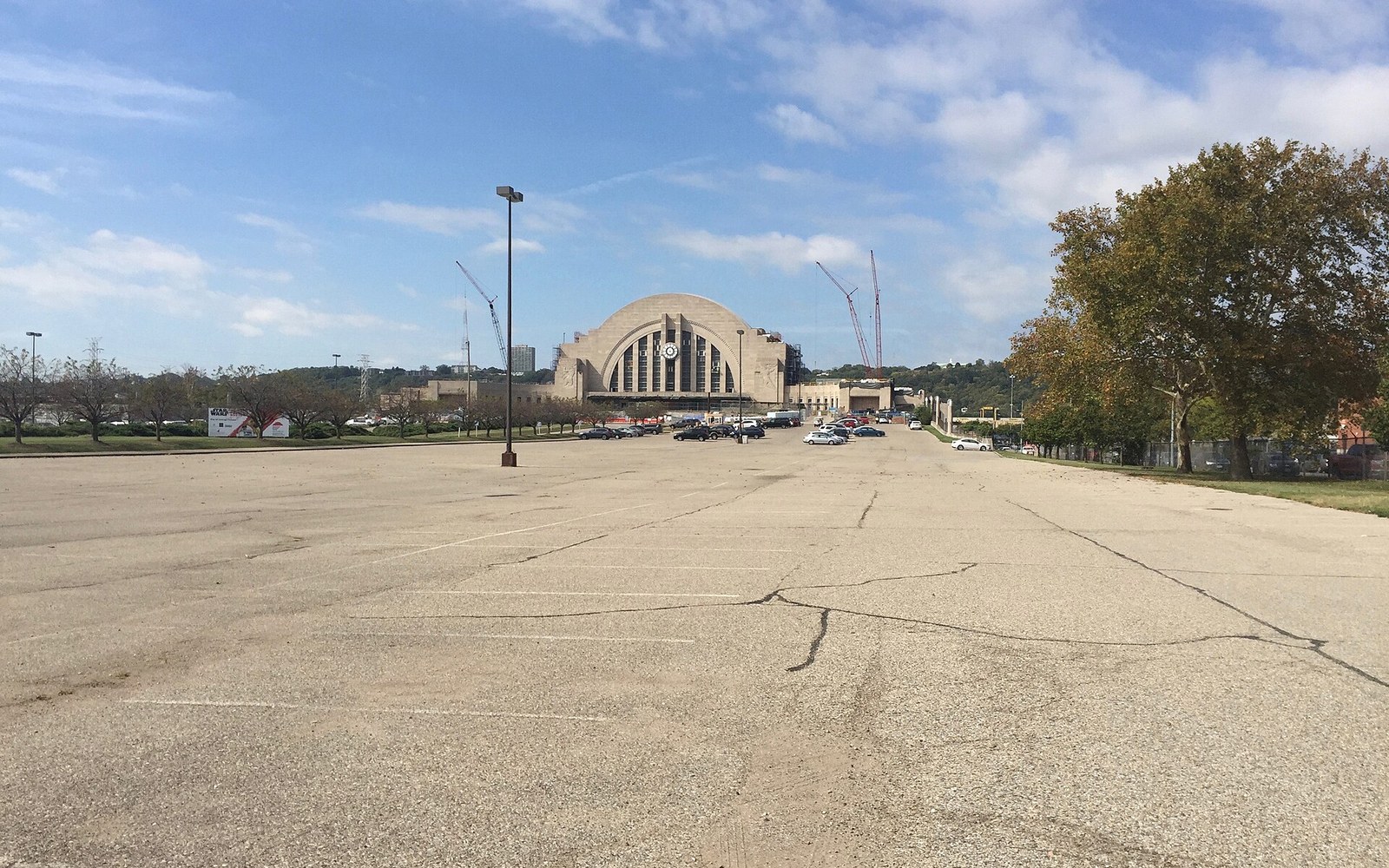
German-American artist Winold Reiss produced the mosaic programme for Cincinnati Union Terminal between 1932 and 1933, covering the rotunda and concou
Photo: Union Terminal, Queensgate, Cincinnati, OH · Wikimedia CommonsVenetian glass, Cincinnati steel, and a German-born muralist working against an opening date
The Programme and Its Making
When Cincinnati Union Terminal opened in March 1933, its most discussed feature was not its 106-foot rotunda dome or its Fellheimer & Wagner massing but the mosaics covering the concourse and half-dome lunettes — work produced by German-American artist Winold Reiss in roughly twelve months of concentrated effort. The programme ran to approximately 14,000 square feet and depicted Cincinnati's industrial life in a style that sat squarely within the Art Deco vocabulary of bold geometry, flattened perspective and saturated colour.
Reiss, born in Karlsruhe in 1886 and trained at the Munich School of Applied Arts before emigrating to New York, was already recognised for his murals in the Paramount Building and his portraits of Native Americans for the Great Northern Railway. The Union Terminal commission placed him at a different scale entirely. Working from studies of local workers and plant operations, he designed panels showing Cincinnati's principal industries — soap manufacturing, machine tooling, printing, meat processing, tobacco and textile work — with individual workers depicted in monumental close-up rather than panoramic distance. The figures were drawn from life, giving the scenes a documentary weight unusual in decorative commissions of the period.
The tesserae were Venetian glass, imported from Italy and selected for the particular chromatic range the designs required. Venetian glass mosaic — smalti, to use the craft term — is cut from opaque glass slabs fired with mineral oxides, producing colours that neither fade nor yellow over decades. Each tile was set by hand ↗ at slight angles to catch available light, a technique that gave the finished surfaces their characteristic shimmer under the terminal's diffused natural illumination. The labour involved in cutting, sorting and setting pieces across a continuous curved surface under construction-site conditions was immense, and the timeline from design to installation compressed what would ordinarily have been a multi-year programme into a single production season.
The figures were drawn from life, giving the scenes a documentary weight unusual in decorative commissions of the period.
By the 1970s the terminal had closed to rail traffic, and the mosaics — unbuffed, dusty and partially obscured by tenant alterations — were at risk. When the building was converted into the Cincinnati Museum Center in 1990, a full conservation survey established that the tesserae were structurally sound despite decades of neglect. Restorers cleaned and repointed the panels without replacement of the original glass, a decision that preserved the slight tonal variations and hand-setting irregularities that distinguish Reiss's work from later machine-assisted mosaic. The restoration was substantially complete by 1990, when the building reopened, and the mosaics are now considered among the most significant public Art Deco decorative programmes surviving in the United States.
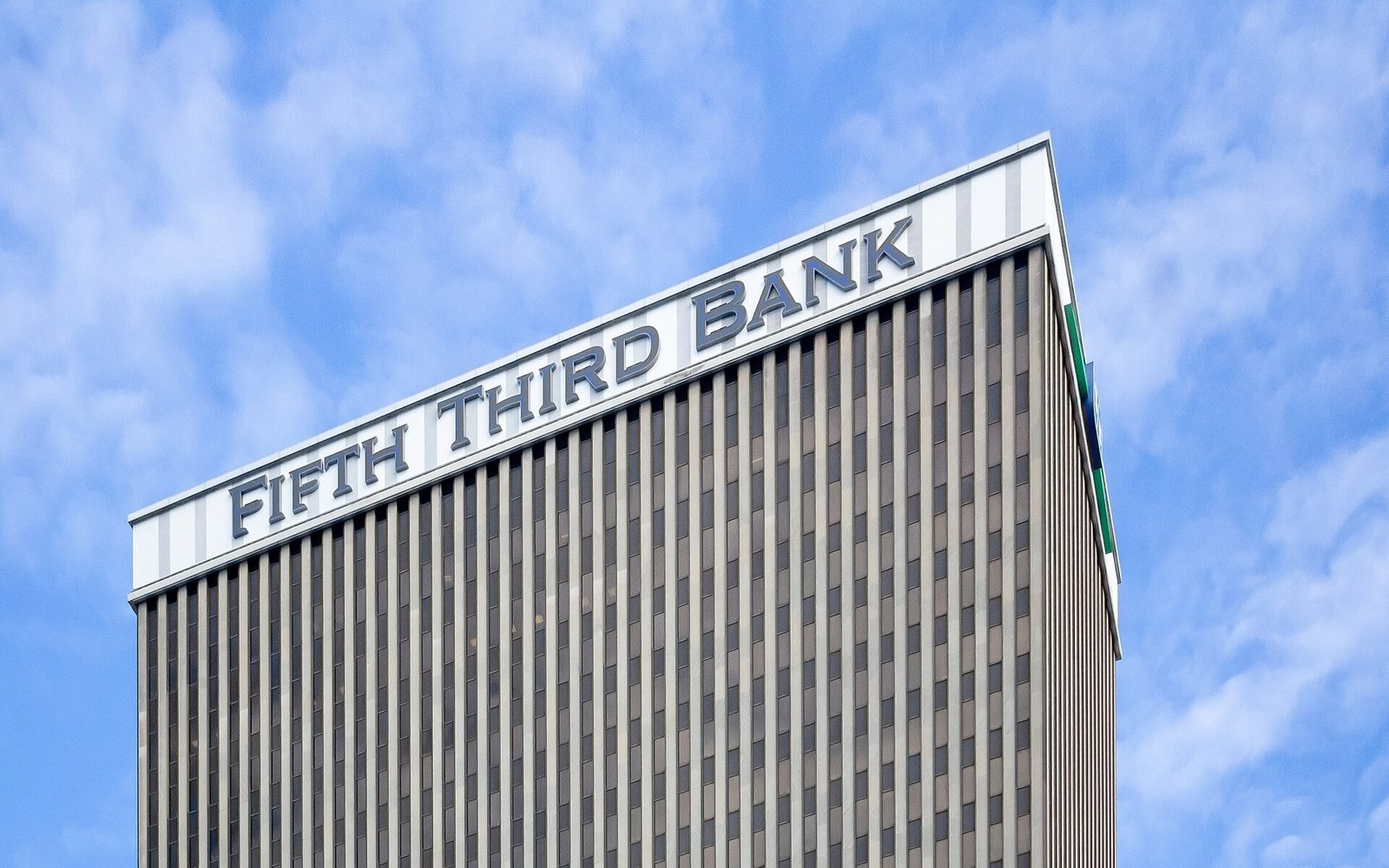
The Carew Tower, completed in 1930 at 574 feet, held the title of Cincinnati's tallest building for eight decades and contains the Netherland Plaza ho 574 Feet, and the Tallest Thing Here for 80 Years
Photo: Fifth Third Center in Cincinnati, January 2019 · Wikimedia CommonsFrom the record
Key figures
- Winold ReissGerman-American muralist, born 1886 in Rottenburg am Neckar; trained Munich School of Applied Arts; emigrated to New York
- Programme scaleapproximately 14,000 square feet of mosaic across the rotunda and concourse lunettes
- MaterialVenetian glass smalti, imported from Italy; hand-set at angles to catch diffused light
- Timelinedesigned and installed 1932–1933 for a March 1933 opening
From the record
Chronology
- 1886Reiss born in Rottenburg am Neckar, Germany
- 1932–33Union Terminal mosaic programme designed and installed
- March 1933terminal opens to the public
- 1970sterminal closes to rail traffic; mosaics deteriorate under tenant use
- 1990building reopens as Cincinnati Museum Center; restoration of mosaics substantially complete
More in Deco & Flood