The Tunnels That Never Carried a Passenger
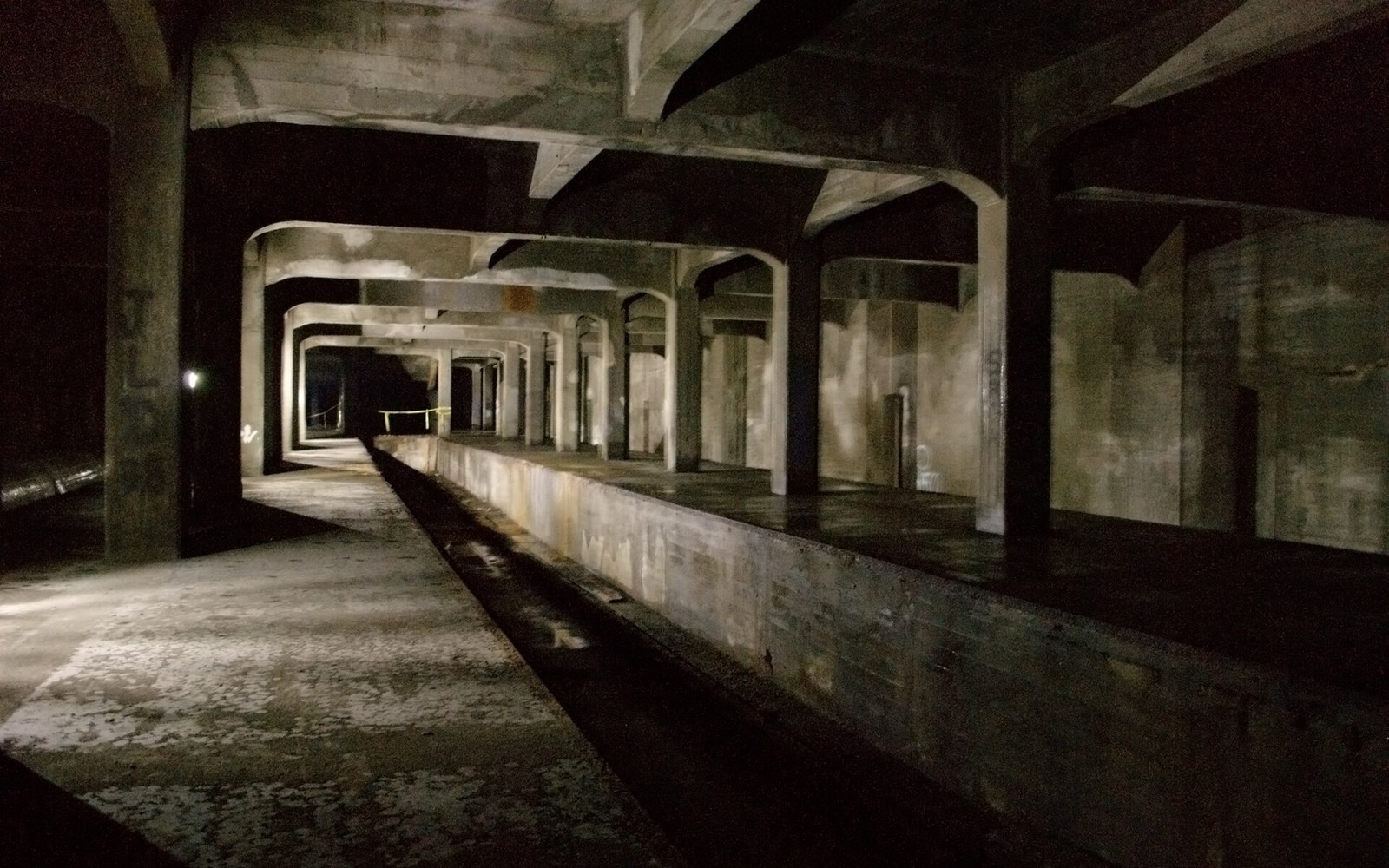
Cincinnati broke ground on a rapid transit subway in 1920, completed 2.2 miles of tunnel beneath Central Parkway by 1927, and then stopped — leaving the tunnels unused.
Photo: Cincinnati Subway - Race St. Station · Wikimedia CommonsCincinnati dug 2.2 miles of subway tunnel beneath Central Parkway, finished the concrete in 1927, and never ran a single train.
A System Built on a Canal Bed
The Cincinnati subway began with geography. When the Miami and Erie Canal was drained and filled at the start of the twentieth century, it left a ready-made corridor running through the centre of the city — a flat, linear depression ideally suited to rapid transit. Engineers saw the logic immediately. In 1916, Cincinnati voters approved a $6 million bond issue to build a rapid transit loop, and construction began in earnest in 1920 after the canal right-of-way was transferred to the city.
The plan, drawn up by Bion J. Arnold and refined by the firm of Jacobs & Davies, called for a sixteen-mile rapid transit loop encircling the basin and connecting the central business district to outlying neighbourhoods. The segment beneath what would become Central Parkway — running roughly from the downtown portal near Elm Street north toward Hopple Street — was the first to be built. By 1927, crews had finished 2.2 miles of tunnel, including finished station shells at Race Street and Brighton.
The Money That Ran Out
Construction stopped for a reason that recurs throughout infrastructure history: the original bond money ran short. Material costs, engineering complications and the sheer ambition of the loop design consumed the $6 million faster than projected. The city went back to voters for additional funding twice during the 1920s and was refused both times. A third referendum — held in 1939, when the tunnels had already sat idle for more than a decade — also failed to produce the capital to complete the system.
World War II redirected public spending entirely, and the postwar period brought a different political consensus: the federal highway programme made car-centred planning the default everywhere, Cincinnati ↗ included. The interstate network that arrived in the 1950s and 1960s seemed to render the subway moot, even as other American cities were discovering that an unfinished tunnel is not an asset that ages gracefully.
What Remains Underground
The tunnels have not been sealed or demolished. They sit beneath Central Parkway in largely the condition the construction crews left them — concrete walls, vaulted ceilings, the outlines of platforms visible in the station shells. The city has used sections intermittently for storage, and emergency management planners noted their potential as shelter during the Cold War, though no formal civil-defence use was formalised. Occasional structural assessments have confirmed the primary tunnel sections remain sound.
Periodic proposals to activate the infrastructure have surfaced across several decades: a commuter rail study in the 1990s, light-rail corridor discussions in the 2000s, and community advocacy for a bus rapid transit overlay. None advanced past planning stages. The Cincinnati Metro system ↗ that operates surface bus routes today traces no operational connection to the tunnel infrastructure.
The city has twice offered limited public tours of the tunnels, giving residents a view of platforms that have been awaiting passengers for nearly a century. The tours attracted significant interest — more, in a pointed piece of civic irony, than many of the transit referendums that might have filled them with commuters.
Material costs, engineering complications and the sheer ambition of the loop design consumed the $6 million faster than projected.
In dollar terms, the original $6 million bond — roughly equivalent to more than $90 million in early-twenty-first-century purchasing power — bought Cincinnati a concrete monument to interrupted ambition. The tunnel shells still hold their geometry precisely: wide enough for two tracks, high enough for standard rolling stock, aligned to a corridor that other cities would later spend far more to create from scratch. What the money did not buy, across three referendums spanning two decades, was the political consensus to finish what the ground already held.
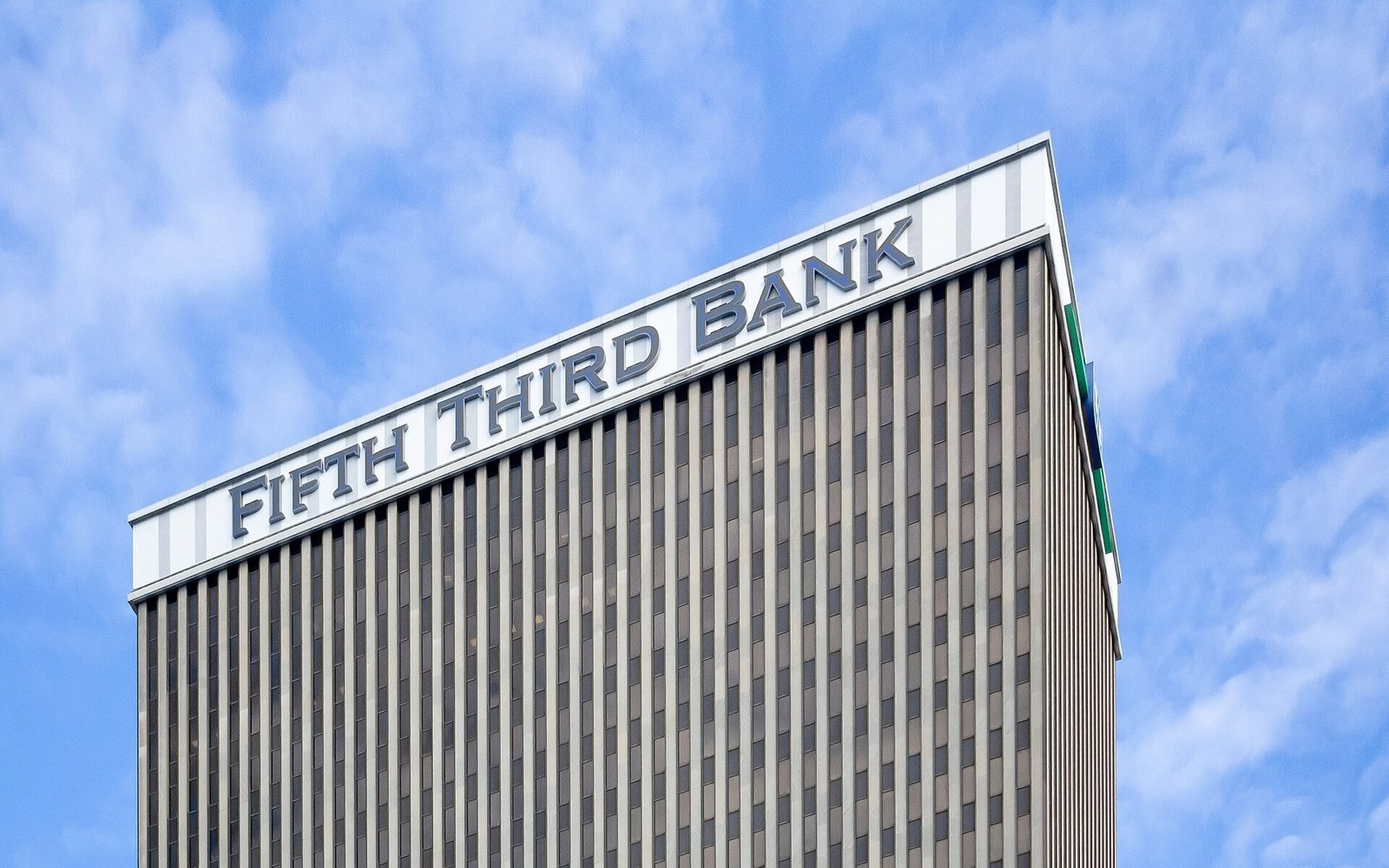
The Carew Tower, completed in 1930 at 574 feet, held the title of Cincinnati's tallest building for eight decades and contains the Netherland Plaza hotel. 574 Feet, and the Tallest Thing Here for 80 Years
Photo: Fifth Third Center in Cincinnati, January 2019 · Wikimedia CommonsFrom the record
Chronology
- 1916voters approve $6 million bond issue for rapid transit
- 1920tunnel construction begins on former canal right-of-way
- 19272.2 miles of tunnel and station shells completed; work halts
- 1939third funding referendum fails
- Post-WWIIfederal highway investment shifts city planning priorities
- Periodicstructural surveys confirm primary tunnel sections remain intact
- Occasionalcity-organised public tours offered in later decades
From the record
Key figures
- $6 millionoriginal 1916 bond issue
- 16 milestotal planned rapid transit loop
- 2.2 milestunnel length actually completed
- 3number of referendums that failed to fund completion
- ~$90 millionapproximate early-21st-century equivalent of the original bond
More in Deco & Flood